

For more than 3 decades Anna Wintour has ruled Vogue with a perfect bob and an iron editorial hand. On June 26th Anna Wintour announced she was stepping down from her position as editor-in-chief leaving fashion lovers everywhere shocked.
Since the announcement, there has been speculation on the future of Vogue and the direction of the publication. Rumours have been circulating that Amazon founder Jeff Bezos plans to buy Vogue’s parent company Condé Nast as a lavish wedding gift for his wife Lauren Sánchez.
This could be a bad idea, for several reasons. Firstly, Jeff Bezos already owns The Washington post which is one of the most influential newspapers in the US. If he does acquire Condé Nast, the parent company of Vogue, The New Yorker, GQ and Vanity Fair, it’s a major power grab, How Greedy!!
Secondly Jeff Bezos has positioned himself as a tech mogul who prioritizes algorithms and AI in business which is a formula that has made him very successful. However, is this what we should expect for the future of Condé Nast? The last thing readers want is soulless, uncultured AI articles.
Vogue subscribers have expressed their outrage to the news of Bezos possibly buying Condé Nast, expressing they will unsubscribe from the publication should he acquire the company. Given the feedback on the potential takeover, it’s clear that readers would appreciate someone with a passion for the industry, someone who has earned their stripes in this world of fashion and can contribute from a cultural and creative point of view.
All things considered, here are 3 extraordinary people who we think would bring a radically different vision to the table and change the game.
LAW ROACH
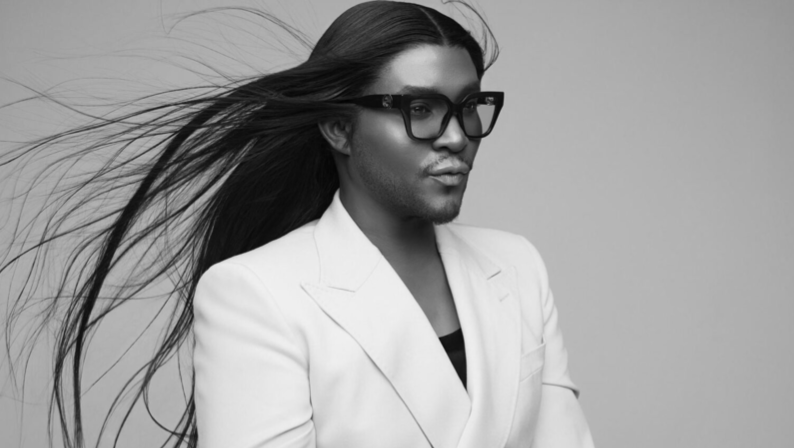
Celebrity stylist and creative director famously known as the Image architect has styled everyone from Zendaya, Celine Dion, Anya Taylor-Joy, Ariana Grande, and Kerry Washington.
Whilst Law is not from the traditional editorial world, this would be so revolutionary because we all know Law has a great story telling approach through his styling. Law has styled celebrities for Red carpet, magazine covers and also been a judge for reality TV competitions, however Law isn’t just a stylist, he’s a visionary.
We could see the magazine from a more stylish and creative lens, focusing on culture, reinvention and inclusivity. Law is an important figure in fashion and his point of view is respected. We believe his contribution would give the publication a new lease of life.
Law could pull inspiration from Black culture, fashion, and pop virality giving Vogue a new fresh take in the future of fashion. We could see a positive shift that would make fashion fun, bold, maximalist and meme-worthy whilst maintaining the drama Vogue is known for.
VANESSA FRIEDMAN

Established Fashion director and Chief fashion critic of The New York Times. Vanessa was also previously the fashion editor of the Financial Times, a position created in 2003 after the newspaper decided to invest in regular fashion coverage.
Vanessa Friedman has built a reputation for being fearless, and not being afraid to dig into the ethics, politics, and economics of the industry often calling fashion to account when needed.
The world is changing rapidly and so is the state of fashion which means sometimes we need a voice of reason, Vanessa could be just that. Friedman analyzes the broader business of fashion, the impact of social movements on fashion, and the evolving nature of luxury and sustainability.
Vanessa could add the transparency and the realness that is very much needed in today’s time. We could see less celebrity worship and more accountability. She’d give Vogue an edge, finally making fashion feel as important, complex, and layered as it really is.
SAMIRA NASR
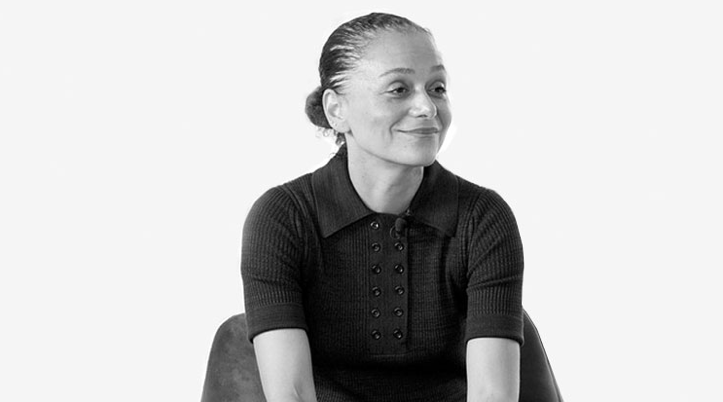
Editor-in-Chief of Harper’s Bazaar US and the first Black woman to hold that role, Samira Nasr brings a deeply personal, global, and poetic approach to fashion media. Her Lebanese-Trinidadian heritage contributes to every editorial decision she makes.
Samira could bring diaspora in all its beauty and not just with diversity, with depth, culture and history. We could see styling that balances elegance with cultural storytelling and features from women redefining success, femininity, and legacy around the world.
Samira would make Vogue emotionally resonant, not just aspirational. Her Vogue would be impactful and culturally rich.
 Fashion Thread Media
Leave a comment